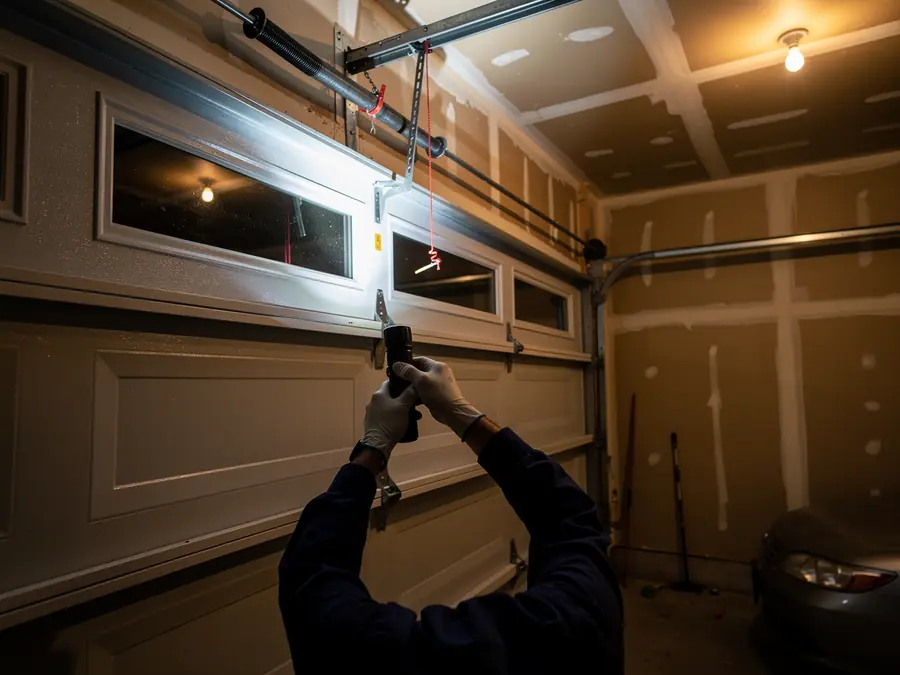
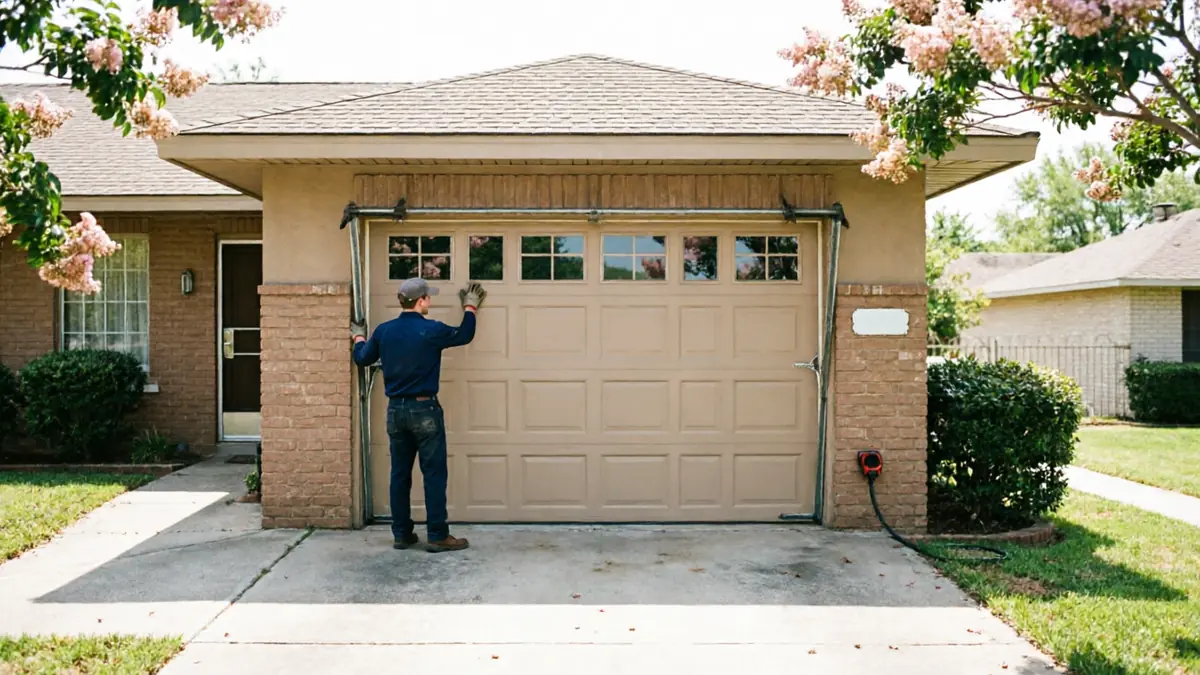
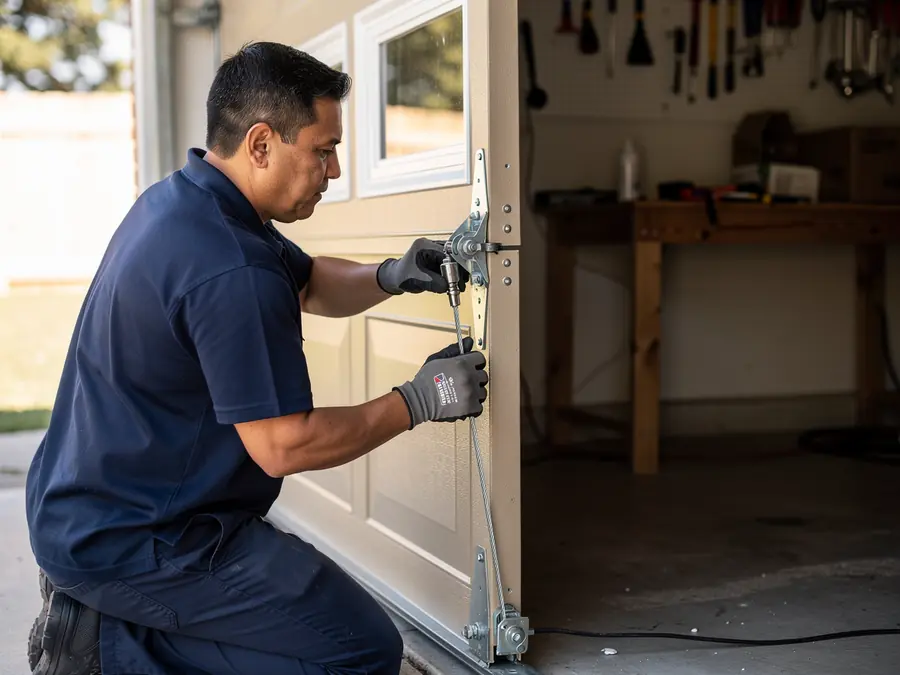
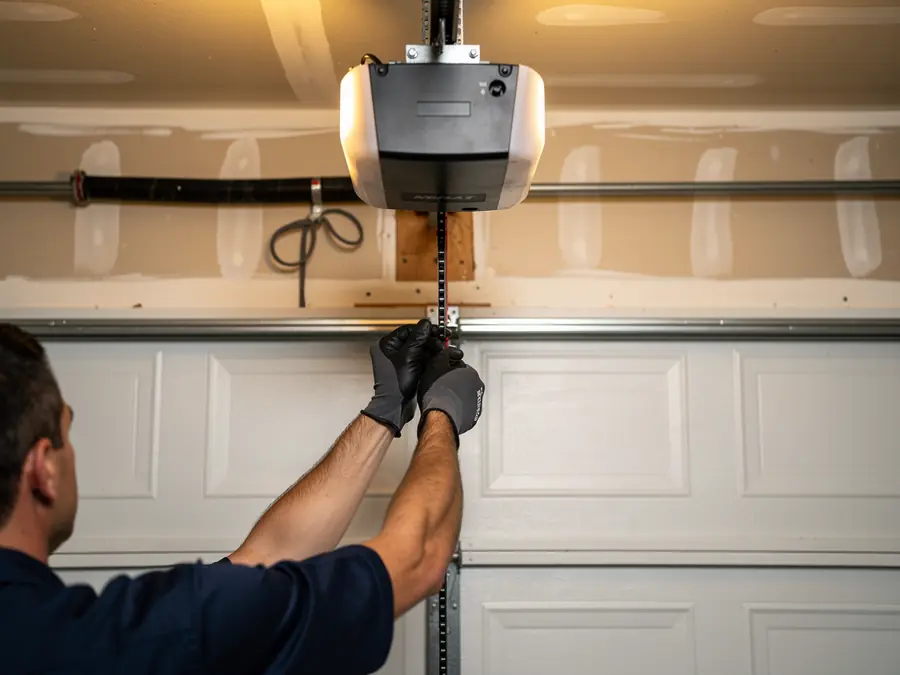
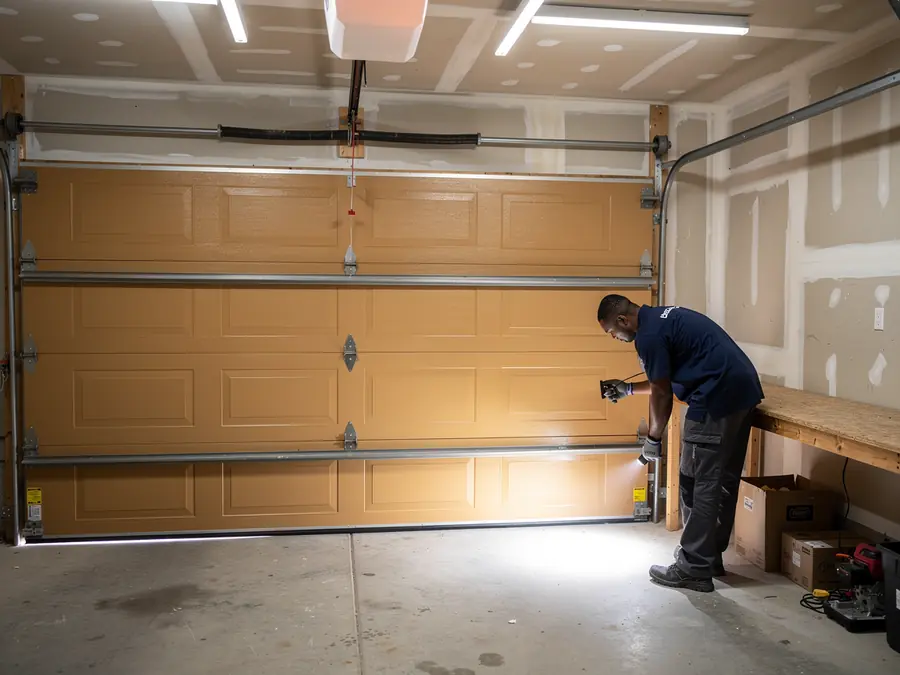
Most of the housing across this service area went up between 1988 and 2014, with the typical build year landing around 2003. That matters more than people think. A torsion spring is rated for a set number of open-close cycles, usually somewhere in the 10,000 to 15,000 range depending on wire gauge, and a house built in the early 2000s is now old enough that the original spring is either near the end of that life or already past it. Across the 23 named areas that share this same construction wave, the pattern repeats block to block instead of showing up in one isolated old pocket of town.
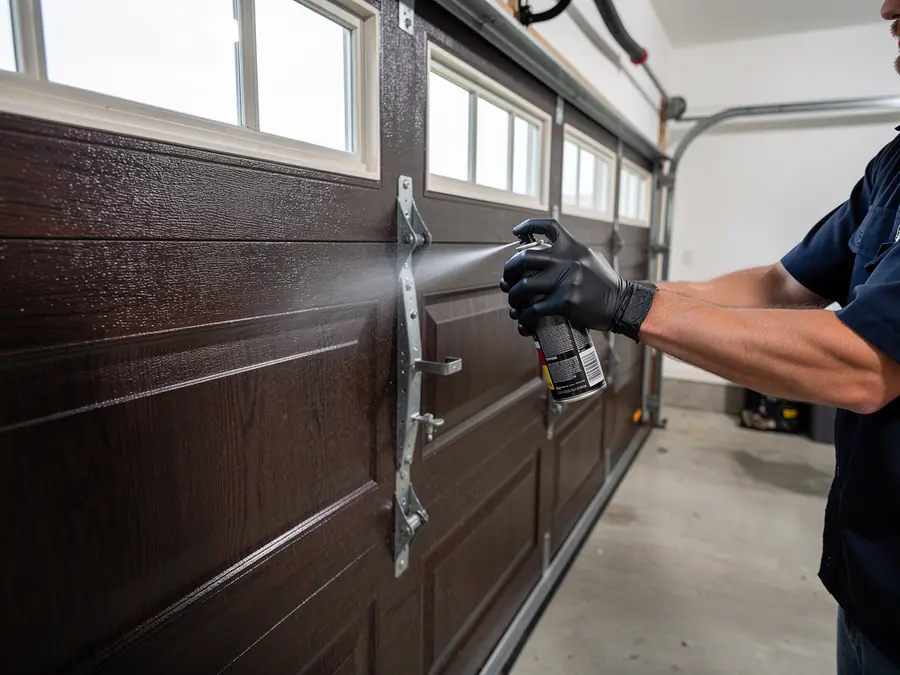
The climate here sits in the moderate heat band, not an extreme one, so you're not dealing with the kind of deep-freeze cold snaps that make steel coils snap overnight the way they do farther north. What you get instead is steady summer heat cycling the metal, drying out factory lubricant on torsion springs, and slowly loosening the lag bolts that hold the header bracket to a trussed garage opening. It's a slower failure, which is exactly why it catches people off guard - the door works fine for years, then one Tuesday the spring lets go on a double door that's been opened twice a day since the house was built.