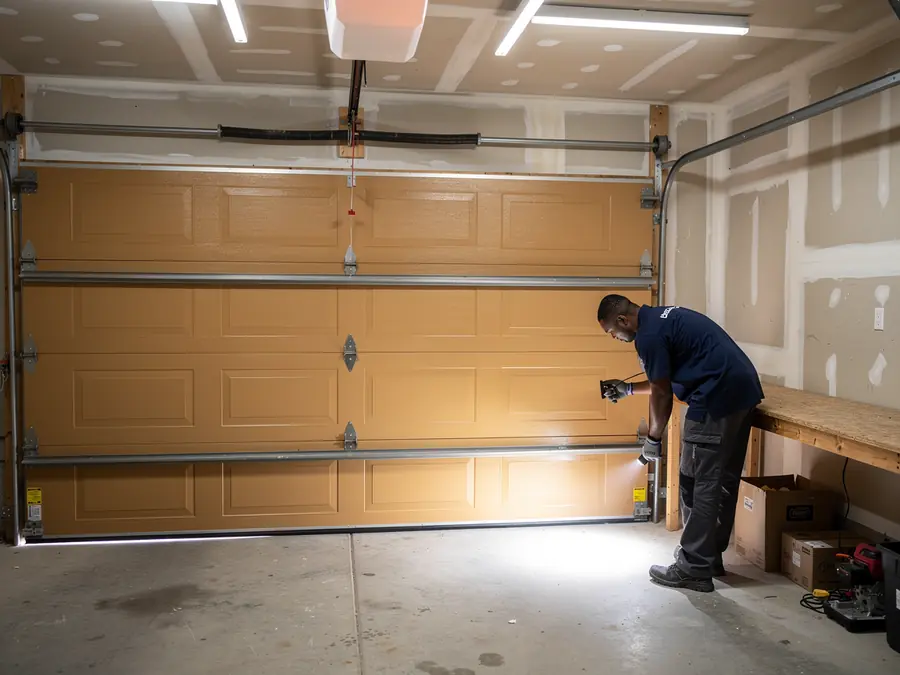
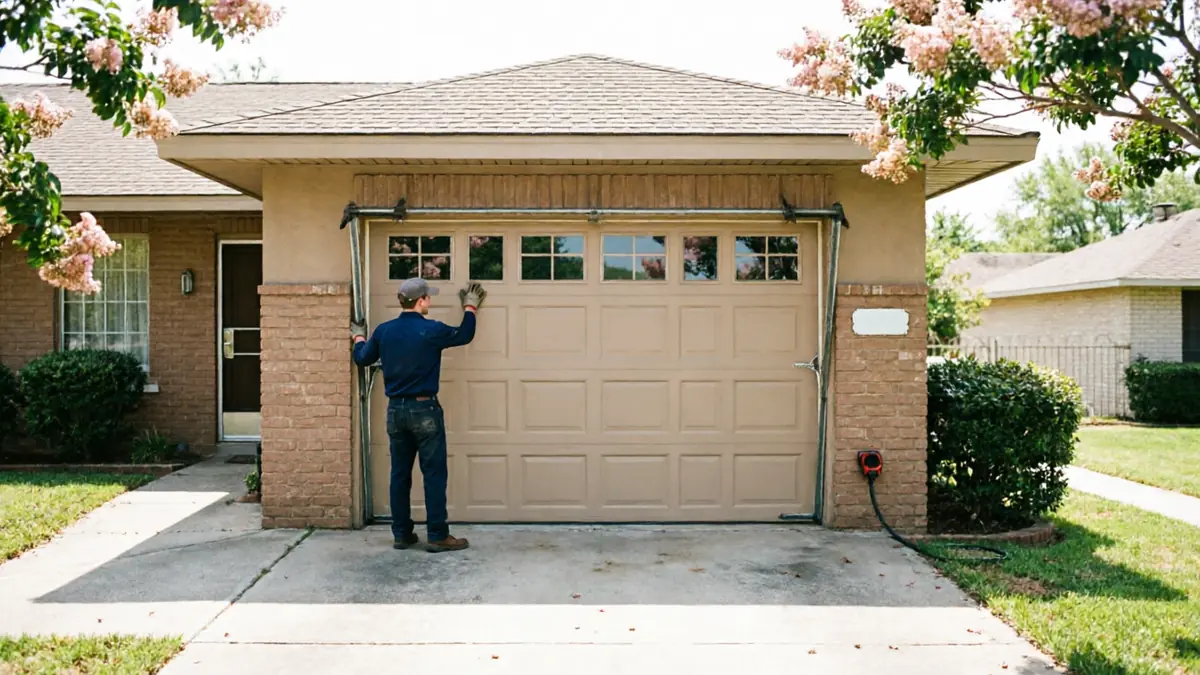
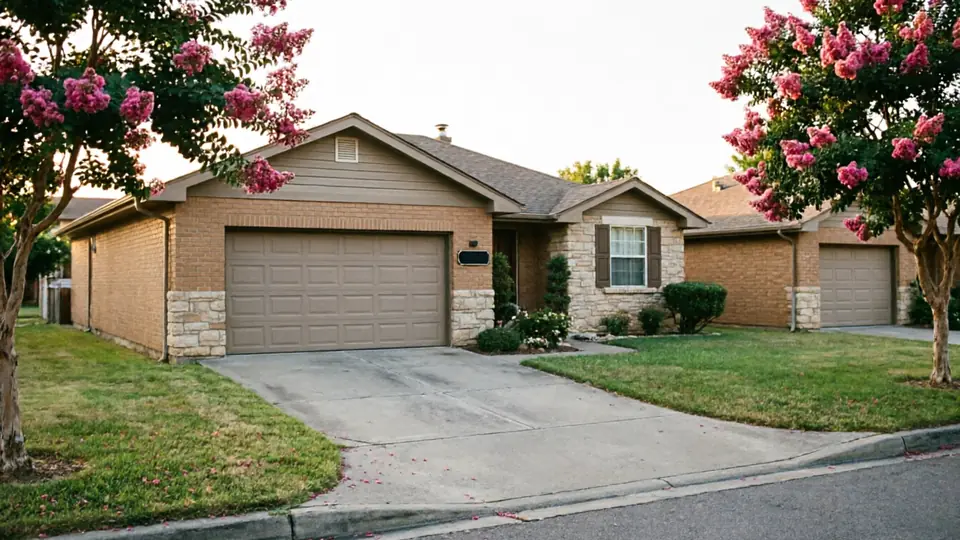
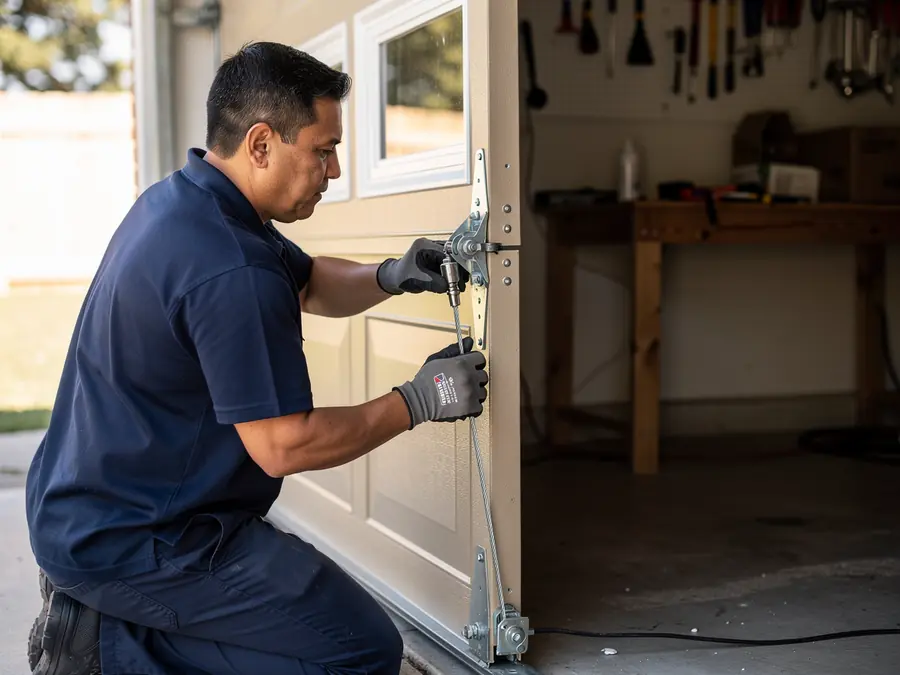
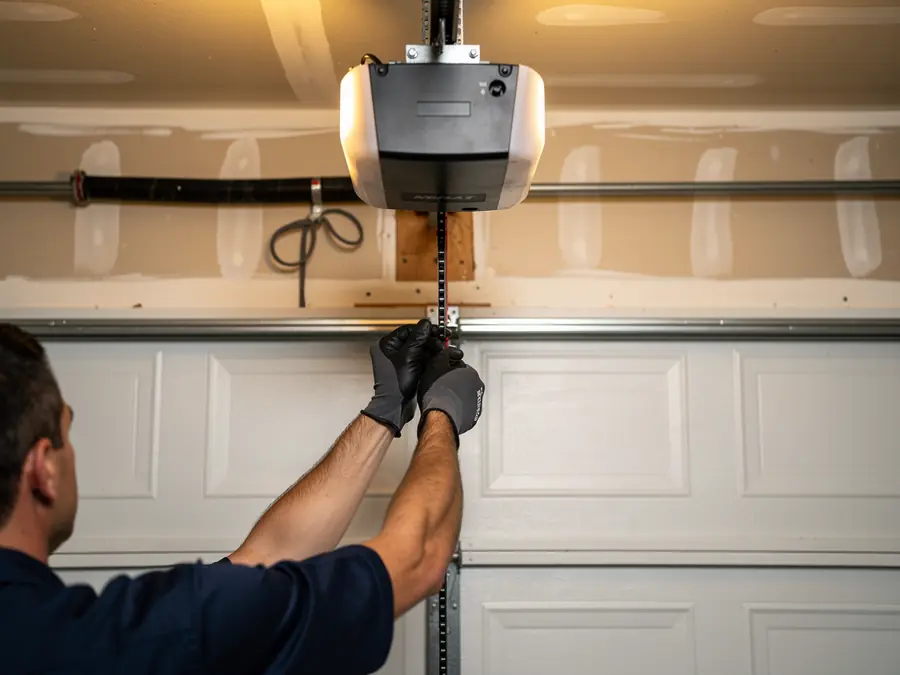
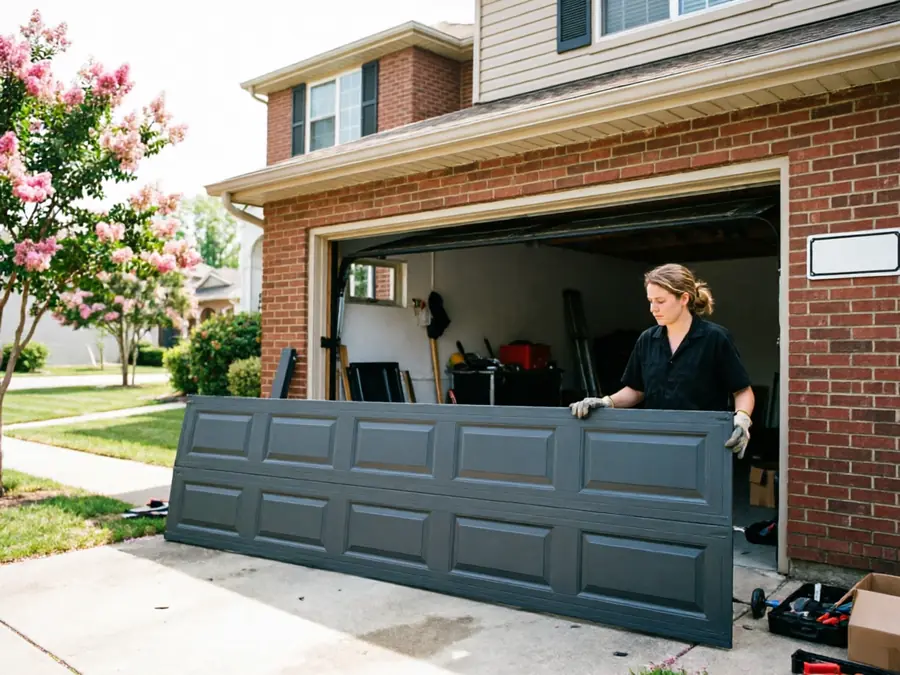
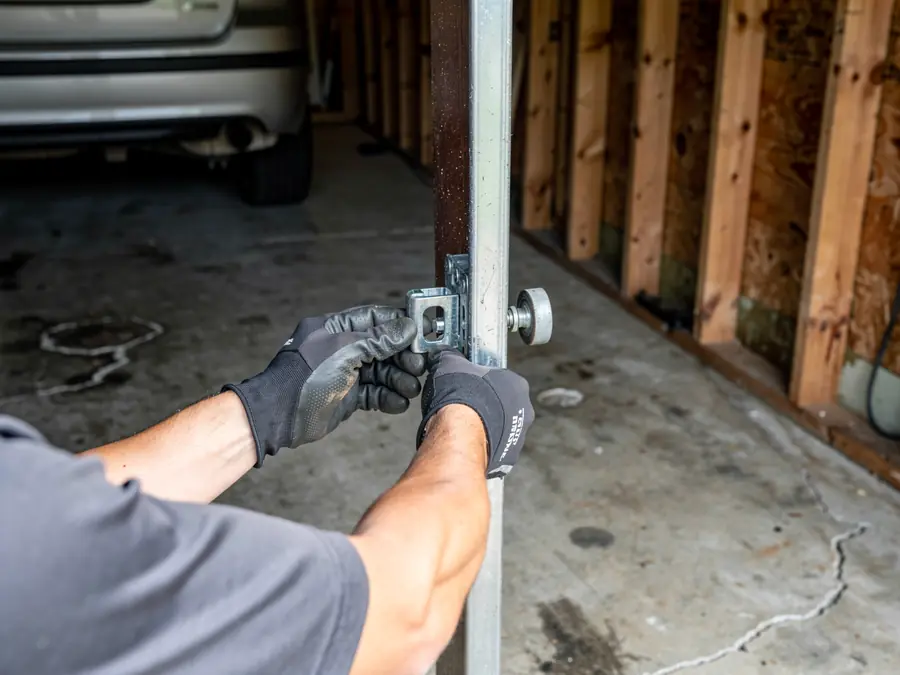
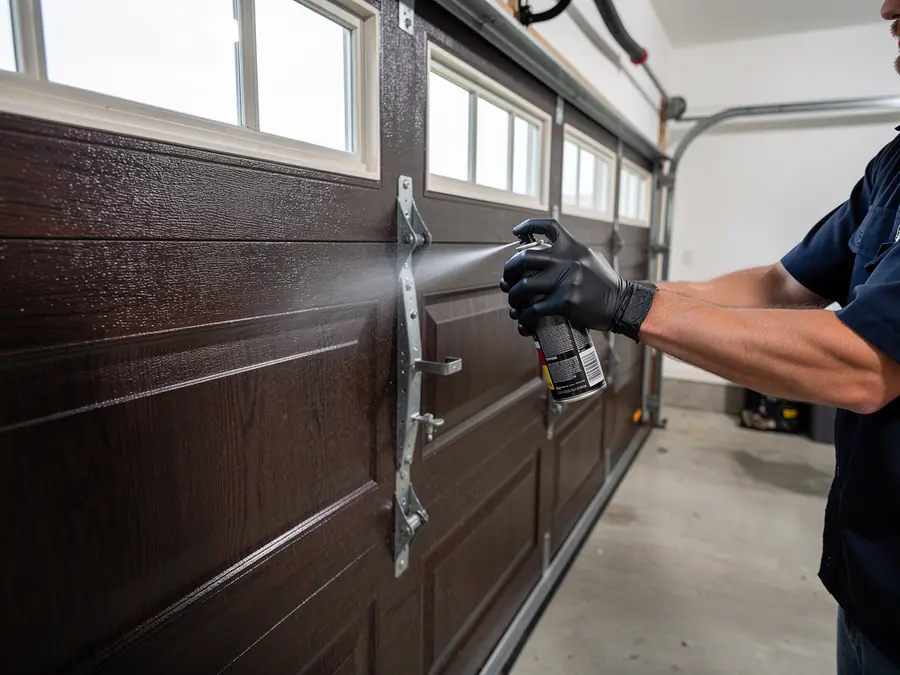
Most homes in Little Elm went up between 1988 and 2014, with the median build year landing right around 2003, so the original torsion springs on a huge share of these doors are now pushing twenty years old. Builder-grade springs are rated for a set number of open-close cycles, not a set number of years, but age still matters because the wire fatigues and the galvanizing wears thin no matter how gently the door gets used. Across the 23 named sections of town, the housing stock skews heavily toward that same 2000s builder wave, which means the same hardware is failing on the same schedule block by block, not randomly. Add in the moderate-heat climate band this area sits in, and you get a second factor working against that original hardware: Little Elm's moderate-heat climate band means summer garage temperatures climb high enough, cycle after cycle, to dry out the stock lubricant on those original springs years before a cooler-climate install would show the same wear. Dry, dirty springs carry more friction, run hotter, and snap sooner. None of this is a defect in any one house. It is just what happens when a whole subdivision gets built in the same five-year window and then bakes through the same summers for two decades.